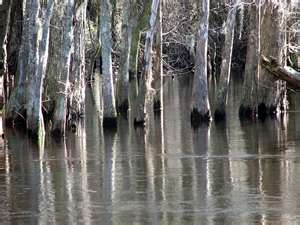
The Beauty of the Lumber River will change your mind.
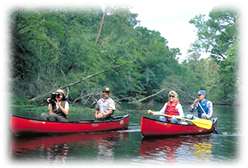
 | WELCOMEWelcome to our website about The Beauty of the Lumber River. Our goal is to share the beauty of the Lumber River and open the minds of those with a negative idea about this wonderful body of water. So take your time, read the history, good and bad, view the pictures, and enjoy the news and entertainment about our river and see if it doesn't change your mind about The Beauty of the Lumber River. You just might find it a place you want to bring your family to enjoy for many years to come. |
Brief History
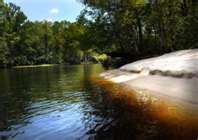
The Lumber River is a 133-mile-long (214 km)[1] river in south-central North Carolina in the flat Coastal Plain. European settlers first called the river Drowning Creek, which still is the name of its headwater. The waterway known as the Lumber River extends downstream from the Scotland County-Hoke County border to the North Carolina-South Carolina border. Soon after crossing into South Carolina, the Lumber River flows into the Little Pee Dee River, which flows into the Pee Dee River, or Great Pee Dee River. Finally, the combined waters flow into Winyah Bay and the Atlantic Ocean.
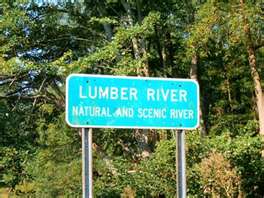
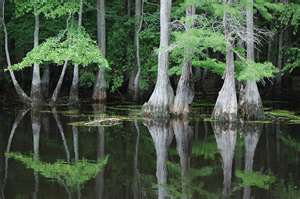
In 1989, the river was designated as a "Natural and Scenic River" by the North Carolina General Assembly. In addition, it is the only blackwater river in North Carolina to be designated as a National Wild and Scenic River by the Department of Interior. In 2010, the Lumber River was voted one of North Carolina’s Ten Natural Wonders, the result of an on-line contest held by Land for Tomorrow, a coalition dedicated to supporting the preservation of North Carolina’s land and water resources.[2]
In 2009, leaders of the state-recognized Lumbee tribe, based in Robeson County, North Carolina, passed an resolution asking the legislature to return the river to its ancestral name of Lumbee.[3] The river is known to local American Indians as the Lumbee. In 1952, the tribe adopted Lumbee as its tribal name.